


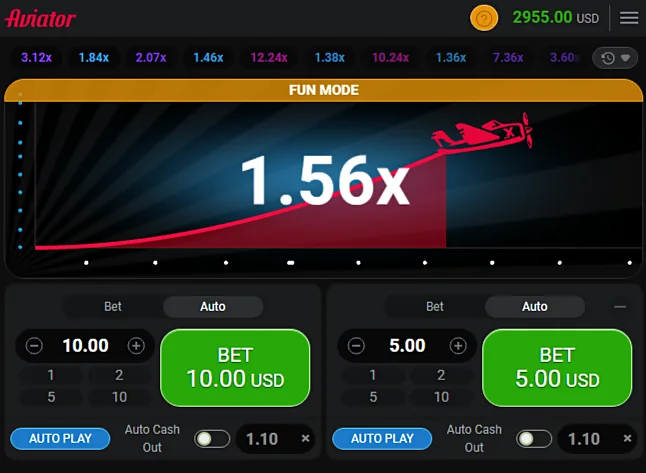
After observing gaming trends online across Canada for some time, I notice a specific type of player skill concerning games such as aviator game. Occasional onlookers could fail to notice it, yet the blocking mechanism has emerged as an essential component of strategy for a lot of players locally. This isn’t just a button to prevent yourself from wagering. It is a calculated method for managing risk and controlling a gaming session. In a game characterized by an increasing multiplier and a random crash, the ability to determine your risk in advance is paramount. Players in Canada, in an environment that pushes responsible gaming, have woven this function into their play. They do not regard it as a last-resort stop pulled now and then. They consider it an integral part of their strategic plan. The way they employ it shows a disciplined focus on prolonging their gaming session, as opposed to going after a single dangerous payout.
What exactly is the Block Function operate?
The block function, also known as “Auto Cash Out” or “Limit Setting,” is a preventative feature. It enables a player to define conditions that instantly manage their bets. In Aviator, it typically works by blocking bets from being placed if specific things happen. This is separate from an auto-cash-out, which secures a win. The block function halts a potential loss before it even starts. It serves as a gatekeeper for your money, stepping in before a moment of spontaneity or frustration can make a bad choice. Think of it as a set of rules you create for your future self—the self that might be too confident after a win or frustrated after a loss.
You can usually configure this function a few distinct ways. A player can block bets if their balance goes beneath a specific amount, safeguarding a financial cushion they determined ahead of time. More tactically, they can stop bets after a big win or a run of losses, forcing themselves to pause. The function works quietly in the background. Once you turn it on and set your parameters, it doesn’t need more action during the tense moments of play. Its power is all in its pre-emptive nature. It’s a pledge to discipline made when you’re rational, designed to protect you from yourself when that clarity might disappear.
How It Works Technically and Player Control
Strictly speaking, the limit function consists of straightforward logic integrated into the game client or account settings. The player types their criteria into a form. Before initiating a new wager, the system checks the current game state against those conditions. If the conditions are satisfied—for instance your balance is now $5 under your limit—the “Place Bet” button could become inactive, or a prompt will show up to prevent the placement. This built-in regulation is what ensures its effectiveness. The action is immediate and unalterable. You surrender control in advance to a rational rule, so you can avoid relying on willpower when it counts.
This degree of player control marks a real shift in the design of crash games. It transfers a portion of the burden from pure willpower to a player-supporting system. For casino operators, implementing these options fits with responsible gambling objectives and enables players to remain engaged in a sustainable fashion. From the player’s perspective, it changes the experience from a purely reactive experience to a more controlled and planned approach. The psychological upside is tangible. Understanding that a firm cutoff is established allows a player to experience the game’s excitement more freely, but only within the boundaries they themselves find acceptable. It converts a potentially unpredictable process and provides it with clear boundaries.
Strategic Use of the Stop Mechanism in Canada
Canadian players have embraced the stop function and used it with a strategic nuance that mirrors the region’s broader, risk-aware betting scene. Their primary objective is capital protection. One approach I’ve seen often is a dual-level blocking system. The primary pause kicks in when a round loss limit is hit, maybe 20% of the starting bankroll. This is a alert. A next, more rigid stop kicks in at a absolute hard stop, perhaps 50% of the bankroll, which terminates the game totally. This tiered technique generates a deceleration before a full cessation, comparable to risk protocols in professional trading. It methodically prevents the classic trap of “chasing losses,” where irrational choices can make a tiny loss balloon.
Canadian players also regularly use the block feature to lock in winnings and force themselves to take breaks. For instance, after a
- Loss Limiting: The most fundamental use. Players set a block at a certain loss threshold (like $50) to protect their bankroll from vanishing during a rough run. This ensures they can return and play another day.
- Profit Protection: After a major win, a block is activated to stop re-betting all the profit. A popular approach is to suspend further play until profits are withdrawn, or to establish a new balance floor that betting cannot go below.
- Emotional Cool-down: Blocks are applied after a large win or a disappointing loss, forcing a required pause. This stops the cycle of reckless “revenge betting” or the excessive belief in a “hot hand.”
- Session Management: Employed to ensure disciplined session lengths. A player might stop bets after 20 rounds or 45 minutes of play, choosing sustained entertainment over extended, risky sessions.
- Bet Discipline: To stop bet sizes from creeping up, a block can halt play if any particular bet surpasses a specified percentage of the bankroll. This promotes consistent money management.
Blocking Feature and Safe Gambling in Canada
The match between the block function and Canada’s responsible gaming framework is strong and intentional. Regional authorities and regulated platforms here highlight player protection tools. Features like the block function are a clear technical solution to that priority. They provide the individual player a specific, pre-emptive way to take care of themselves. In a regulatory environment that mandates self-exclusion programs and deposit limits, the block function serves as a micro-level, session-specific companion to those broader tools. It puts detailed control right in the user’s hands. This aligns with the Canadian idea of personal responsibility backed up by system safeguards.
From a harm reduction perspective, the function is incredibly useful. It acts as a circuit breaker for problematic behavior before things get worse. Letting players set limits based on their own financial and emotional triggers promotes a mindfulness that fast-paced games often undermine. Regulated platforms in provinces like Ontario, guided by AGCO rules, are encouraged to provide these features. Offering them isn’t just a bonus; it’s a mark a platform takes consumer safety to heart. For the Canadian player, using these tools is starting to be seen not as a weakness, but as the indication of a smart, sustainable way to experience gaming.
A Tool for Mindful Entertainment
Ultimately, the block function alters Aviator from a pure game of chance into an endeavor of conscious entertainment. It lets Canadian players enjoy the rush of the crash mechanic while preserving a fundamental layer of individual security. This thoughtfulness is why the feature has become popular. Players say they experience more in control and calmer during play, aware the rules they defined earlier are actively protecting them from their own future excesses. The game becomes not focused on fighting temptation in the heat of the moment and focused on following a plan made in advance. That change is significant. It transforms the experience from something that could be anxiety-inducing into something centered on managed excitement.
This approach resonates with a Canadian audience that is inclined to value balance and moderation. The block function doesn’t strip out the risk or the fun. It just fences that fun inside boundaries you establish yourself. It accepts that the game’s excitement comes from its volatility, but that appreciating it long-term means managing that volatility. By using this tool, players make a deliberate choice. They choose to emphasize their enjoyment and financial well-being over the unrestrained hunt for one big score. It demonstrates a mature step forward in how interactive gaming is approached, moving away from reckless play and toward a more deliberate, recreational model.
Side-by-Side Analysis: International vs. Canadian Market Usage
Globally, usage of the block function is less uniform and frequently less structured. In many markets, players may ignore the feature or employ it mostly as a “panic button” after sustaining significant losses, rendering it a reactive tool as opposed to a preventive measure. Cultural norms and regulations play a huge part here. In places with less emphasis on structured responsible gaming tools, players might depend entirely on personal discipline, which results in more volatile play patterns. They may view the feature as an unnecessary complication, not a core part of the game.
The Canadian approach is noticeably more structured. A regulated industry with stringent consumer protection standards has rendered utilizing all accessible player protection tools commonplace. Canadian users are more inclined to establish multiple, layered blocks at the very beginning of a session, as an element of their usual routine. They also more often use the function to safeguard profits and time their sessions, not just to curb losses. This suggests a wider strategic perspective of the overall gaming session, almost like overseeing a minor investment. A cultural leaning toward carefulness and planning, combined with nudges from authorized platforms, has established a distinct “Canadian style” for the block function. It’s thorough, pre-emptive, and embedded in their approach of play.
Hands-on Guide to Establishing Your Blocks
Creating an successful block strategy demands some consideration beforehand. First, ahead of you deposit or begin gaming, determine your session bankroll. This is funds you are entirely comfortable losing. Your main block should stop bets once you’ve lost 70-80% of this bankroll. Consider this as your “soft stop,” a sign you’re having a tough session. A additional, hard block should be at 100% of your session bankroll. Next, establish what success means. Select a profit goal, like a 50% gain. Once you reach it, place a block to hold your balance from falling back below your original bankroll. This lets you gamble with pure profit. Finally, account for time. Use a timer or the game’s own options to stop bets after 30-45 minutes, forcing a mental reset.
The crucial point is to configure these blocks right after you deposit, or at the outset of your session, when you’re composed and objective. Do not change these blocks in the heat of a session, especially after a defeat or a big win. Your judgment won’t be at its peak then. The tool’s whole power comes from that pre-commitment. Handle your block settings as unbreakable rules for that session. Later, evaluate how they worked. Did your loss limit feel too tight? Was your profit goal too ambitious? Adjust these parameters over time based on your experience, not your impulses in the moment. This method of adjusting and learning turns gambling from a chaotic activity into a refined personal hobby with clear limits.
Mental Benefits and Long-Term Play
Using the block function consistently has a major mental impact. It removes the burden of the constant decision about when to stop, which is often the hardest choice in gambling. By systematizing that, you conserve mental energy to concentrate on the strategic decisions inside the game, like bet sizing and cash-out points. It also reduces regret after a session. Knowing you stopped because a rational, pre-set rule was triggered is much more comfortable to live with than stopping because you were frustrated or worn out. This promotes a more healthy relationship with the game, making you less likely to make an hasty, revenge-fueled deposit later on.
For long-term engagement, this is essential. Players who employ these controls indicate higher satisfaction and stick with gaming platforms longer. They avoid the devastating losses that make people leave for good. So the block function is not merely a protective tool for the player. It’s a retention tool for the operator. It facilitates a kind of recreational gaming that can last. By removing the worst extremes, it keeps the activity firmly in the territory of entertainment, not distress. For the Canadian market, where gaming is legally framed as a form of entertainment, this tool is ideally designed to guarantee the real experience matches that idea.
Final thoughts: The Block as a Key Necessity
Observing how Canadians play Aviator points me to one definite point. The block function has moved from a specific option to a essential requirement for thoughtful players. How it’s been utilized shows a sophisticated gaming culture that values control, responsibility, and lasting entertainment over unchecked risk-taking. Canadian players have demonstrated that the true ability in a game like Aviator isn’t just in deciding your exit point. It’s in masterfully handling all the elements of your session. The block function is the key feature for that management. It represents a combination of entertainment and discipline, enabling the game’s thrill happen inside a safe, self-imposed frame.

Going forward, I predict this tool will get more refined. We might see customized data analysis or more intelligent, dynamic restrictions based on how you play. The principle behind it—that players should have robust, self-operating systems to enforce their own limits—will probably become a normal standard across all online gaming. For anyone playing Aviator or other crash-style games, especially in a regulated market like Canada, mastering the block function isn’t an optional expert move. It’s the crucial initial move toward a smarter, safer, and more rewarding gaming experience. It’s the feature that firmly divides a deliberate plan from just playing by chance.
